
To the North
A long weekend of women writers and house museum heaven

There’s nothing about theatre in this post – it’s just something I wanted to write :)
My schoolfriend Sophie and I reconnected in autumn 2024 when the school organised a networking event for alumni in journalism, publishing, media, etc (this was in that brief period when I was riding high on Musicals). Many years ago, Sophie (who was in the year below me), one or two others, and I had a sort of ‘library club’ in which we would discuss our favourite 19th-century novels and their adaptations – in case you can’t tell, we weren’t exactly cool or popular.
We loved the Brontës (the books and their life stories) and I remember how much we wanted to go to Haworth, but it felt like such a long way away. Now that we don’t have homework (well, not as such, though news journalists like Sophie are never off the hook) and A Levels looming and we do have our own money, it seemed an opportune moment to do it before our limbs become too creaky to traipse the moors.
I’m no travel writer but I want to show any non-drivers who might think that Haworth would be a terrible schlep to get to without a car that that isn’t the case at all, and you can combine a visit with so many other things. We did a lot, yet there’s plenty that we didn’t have time for, and I’d happily return. I’m so glad we went in classic British weather (a bit chilly and drizzly) as the current heatwave would have been too much. I didn’t take my Happy Valley scarf but there were times I could have used it.
Hebden Bridge
Unless you’re only visiting for one night, I wouldn’t advise staying in Haworth itself – not because it isn’t lovely but because there are more convenient and equally attractive options. I’m so glad we made Hebden Bridge our base. It’s a very bougie market town that’s directly connected to Leeds, Manchester, York and Liverpool. My Rough Guide made it clear that it isn’t a standard West Yorkshire town – we didn’t hear many northern accents, and, well, almost everyone was white. It’s also apparently the lesbian capital of Britain.
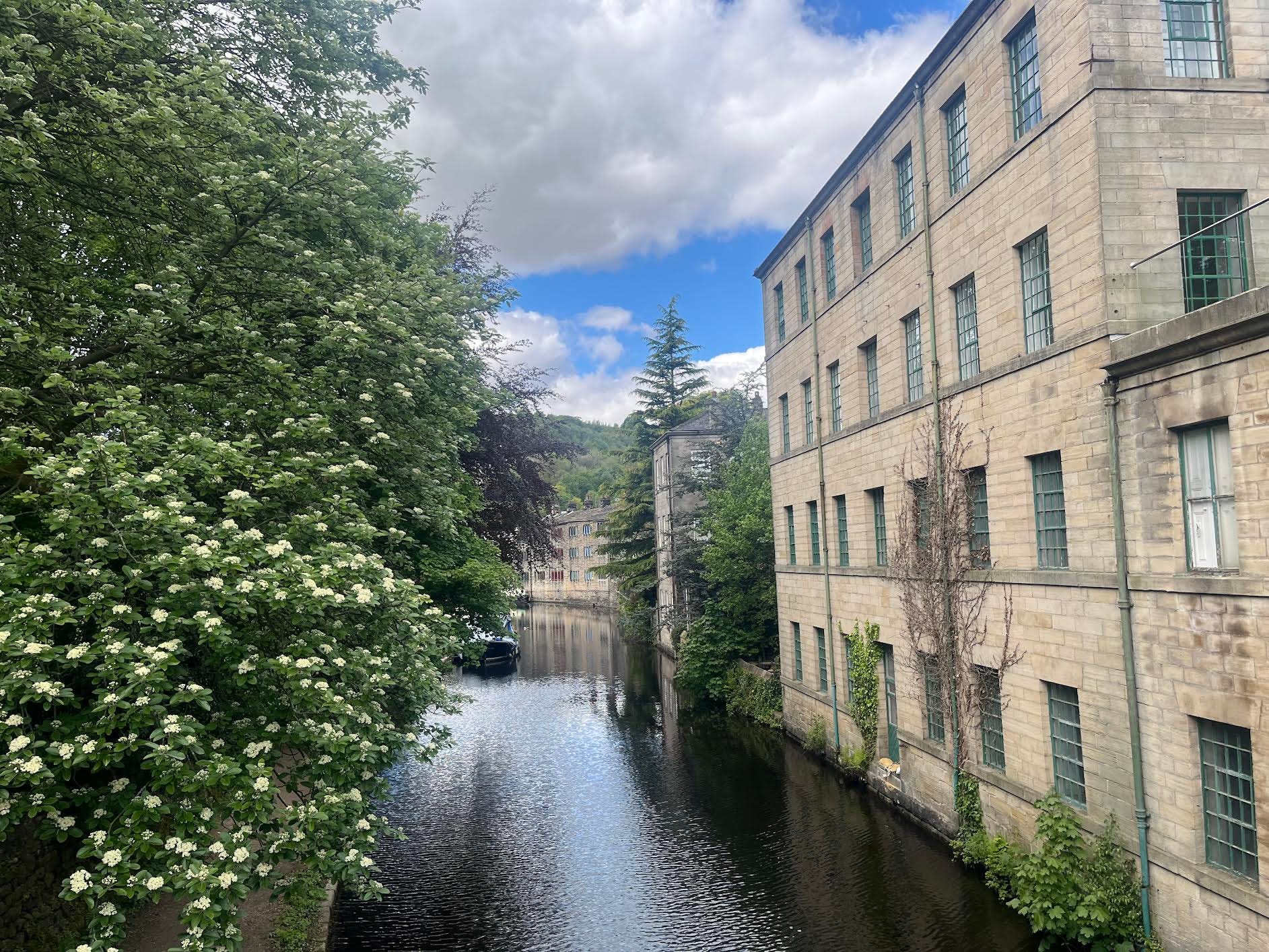
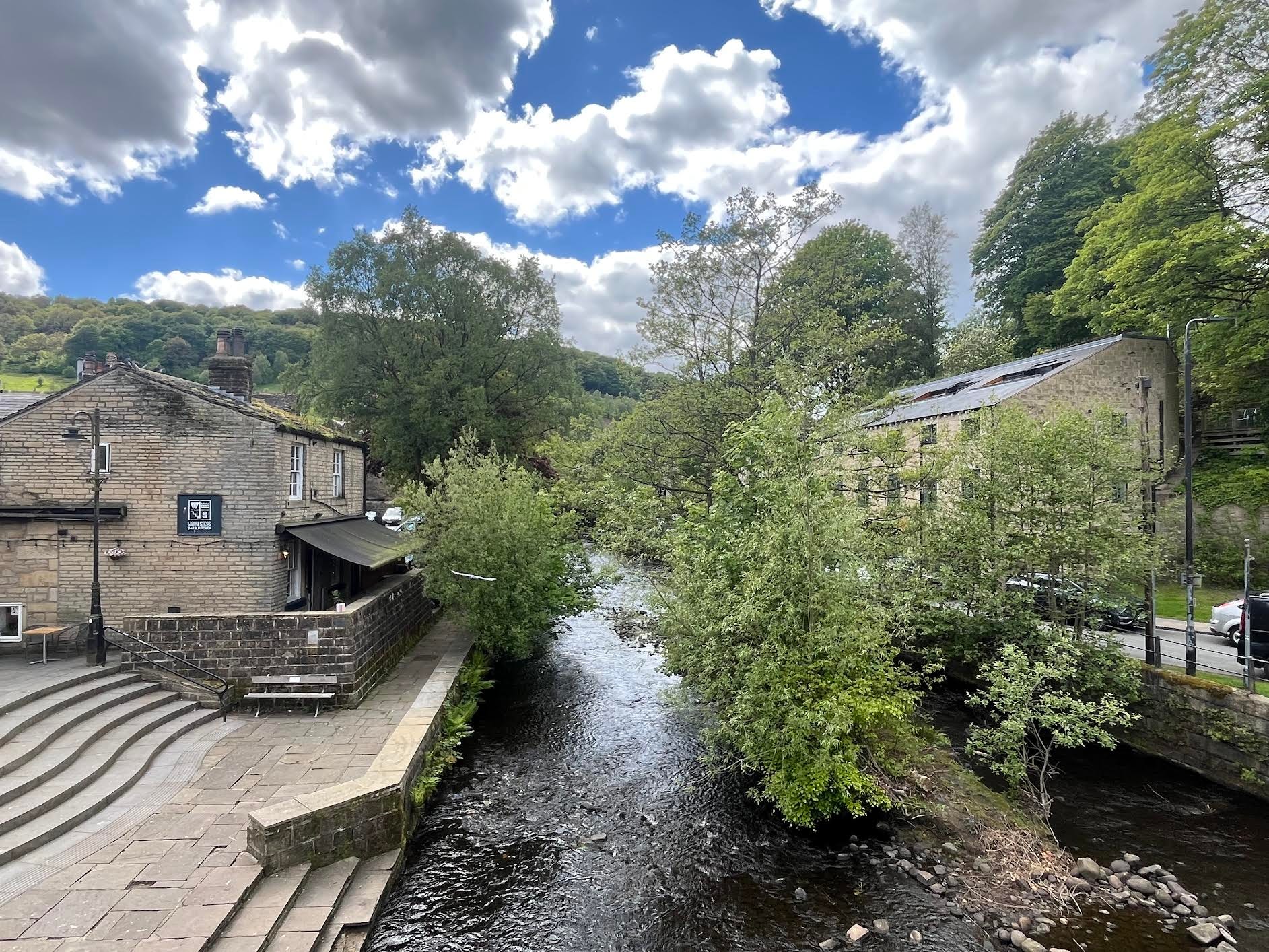
On arrival, we had lunch at Leila’s Persian Kitchen before dropping our things off and having a potter around the shops (the highest concentration of independent shops in the country, apparently), which are filled with music by the likes of Fleetwood Mac, Sandy Denny and The Carpenters. The antiques centres weren’t great, but Spirals was the best of the gift shops. I really liked The Book Case, especially its selection of books about myths and folklore (I bought The Cat’s Tales by Charlie Creed)
On the first evening, we had delicious pizzas at Fratelli of Hebden and thoroughly enjoyed The Devil Wears Prada 2 (more later) at the fabulous art deco Hebden Bridge Picture House, which is one of the only council-owned cinemas in the country – a real miracle of survival as anything recreational is usually the first thing to go. As they only show one film at a time once a day, we were lucky there was something on that we wanted to see while we were there.
Our AirBnB flat was perfect. As it’s an attic conversion in which the only windows are on the ceiling, I couldn’t live in it full time, but it was fine for three nights and it was good value, even just split between the two of us (it can accommodate up to six). In the evenings, we watched the BBC’s brilliant 1996 version of The Tenant of Wildfell Hall on iPlayer (more in my end-of-month round-up), and Sophie introduced me to the very funny Superstore on Netflix. It’s minutes away from everything in town and there’s a market outside from Thursdays to Sundays, from which I picked up some trinkets that were all less costly than they would have been in London.
Hebden Bridge also the setting for Sally Wainwright’s brilliantly bleak Happy Valley and Riot Women, which seems amazing because (as a visitor at least) it seems so tranquil and prosperous (though I realise that most of the horrors take place in the surrounding areas). I went to see Catherine Cawood’s (Sarah Lancashire) house, which I’ve always loved as it’s such a cosy haven.1 The Albert, which is used as the pub where Riot Women’s Jess (Lorraine Ashbourne) is the landlady, is really buzzy. The White Swan, which is where Beth (Joanna Scanlan) discovers Kitty (Rosalie Craig) singing, is the one place we visited that doesn’t feel gentrified (and all the main courses it serves are under a tenner, which is incredibly rare these days – food, drinks and coffee were generally London prices throughout the trip).
I’ve also never been to a place that’s so actively dog friendly – if anyone were to open a cafe or shop with a ‘No dogs, please’ sign, there’d probably be a riot.2 Despite all the crunchiness, there were very few cyclists, which was so refreshing. I know, #notallcyclists, but I’ve been terrorised by far too many evil ones in London.
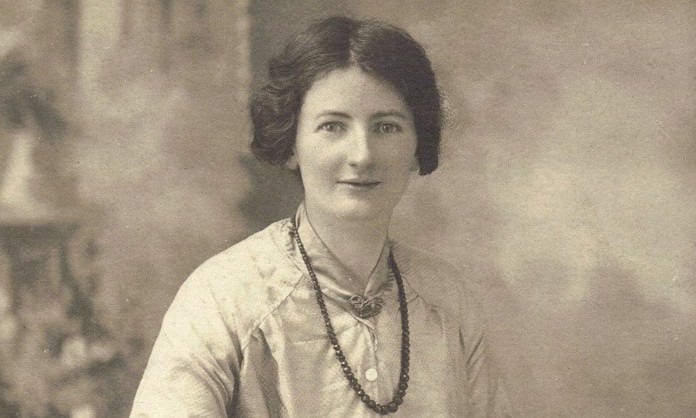
My favourite person we met was the lady in the Yorkshire Soap Company shop who, on learning about the women writers’ theme of our trip, told us that she lives in a house (with a plaque) that was previously inhabited by Ethel Carnie Holdsworth, who was a millworker who became a journalist, poet, feminist and anti-fascist activist, and an early working-class female novelist. ECH sounds extraordinary and I’m going to try to get hold of one of her books (I’m sure Persephone wouldn’t touch her, but Virago did/does try to be intersectional...). There’s a good piece from 2012 in the Guardian here.
Haworth
The hook for the trip, we set out bright eyed and bushy tailed on the Brontë Bus (B3) on Saturday morning. The route goes past a spot called Bedlam Slack, which sounds like it ought to be a sequel to Wuthering Heights. It turned out that there was a 1940s festival going on in Haworth that day, which meant that the town was packed. There were so many victory rolls, military uniforms, and at least one Churchill impersonator.
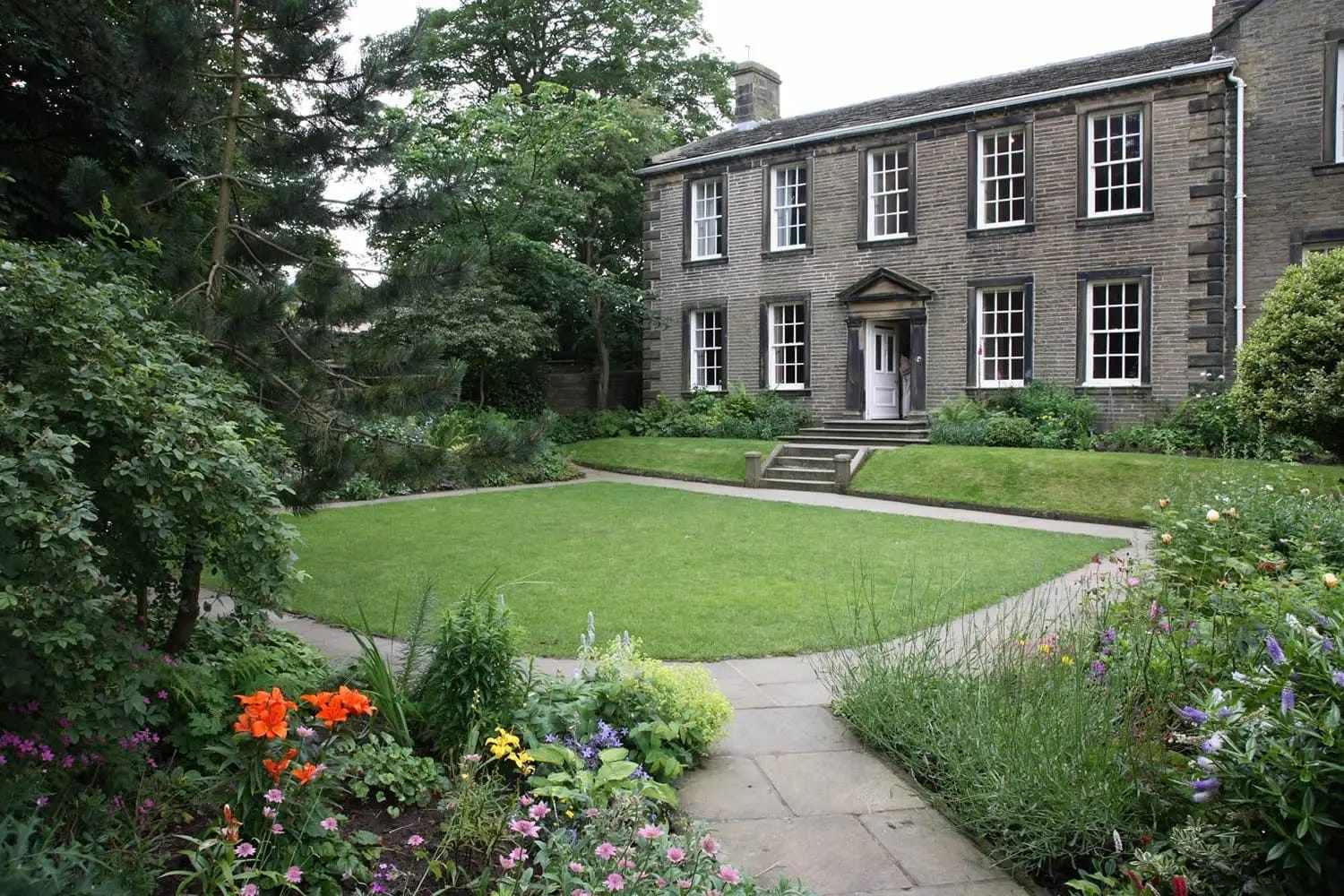
I had to take a moment before entering the Brontë Parsonage Museum as I couldn’t believe we were finally there. My favourite of the novels is Charlotte’s Jane Eyre, though The Tenant of Wildfell Hall is a close second and Anne is my favourite of the sisters. Emily was of course the greatest poet and Wuthering Heights is perhaps the most original of the novels (though I think Villette could also claim that accolade), if not my favourite. I also have considerable respect and sympathy for the oft-maligned Rev Patrick Brontë. As for Branwell, however... well, it can’t have been easy for him as the only boy and family’s great hope (why?? I know, the patriarchy…), but I’m no apologist.


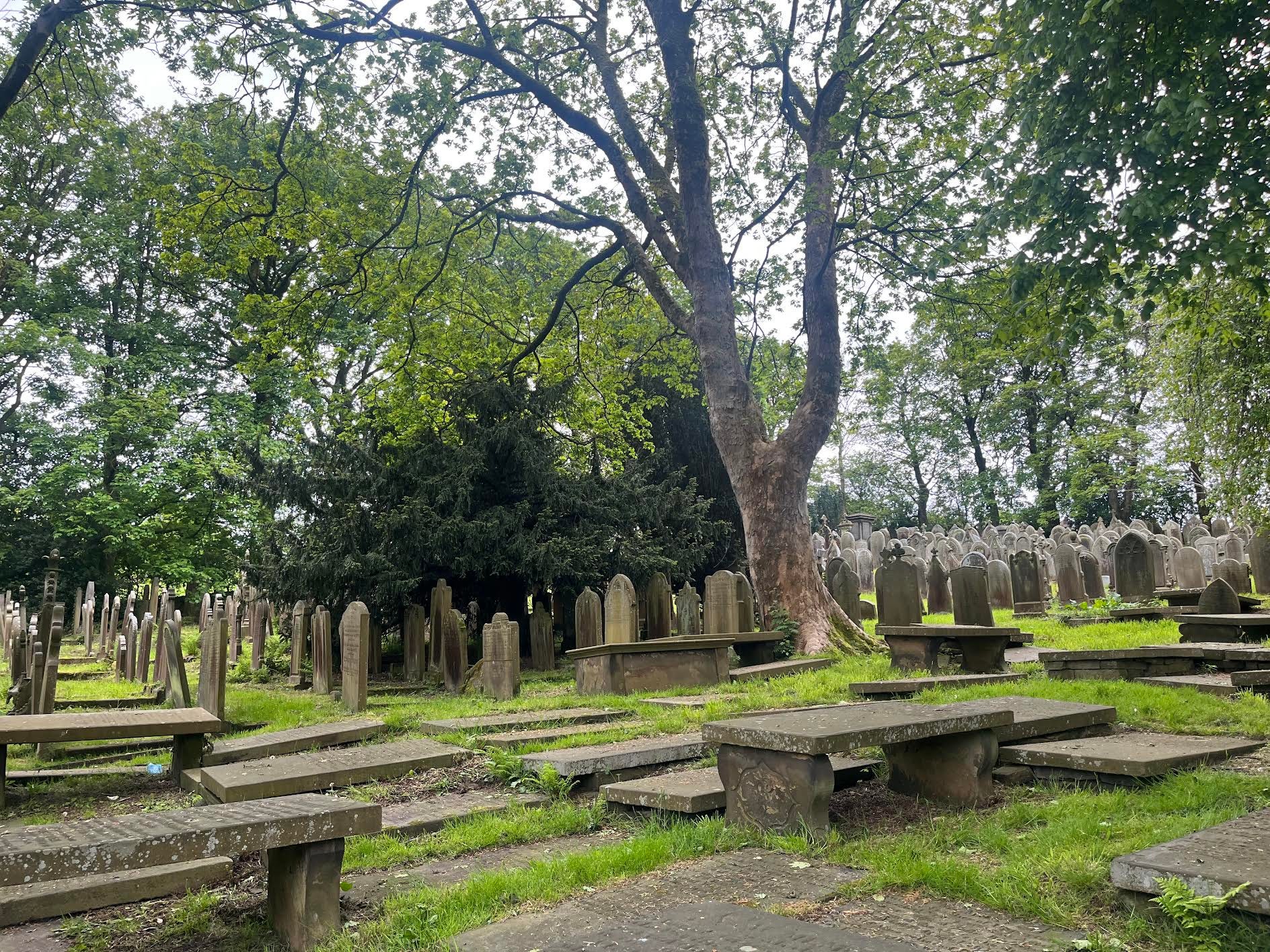
The Parsonage did overlook the graveyard and no doubt it must have been damp (life expectancy at the time in Haworth was shockingly low), but I don’t think it was a miserable place to live, nor was it isolated as Haworth was a busy mill town not too far from Halifax or Bradford. Upon entering, you can see Mr Brontë’s study, and, after seeing so many photos of it over the years, I was so moved by the dining room where the sisters worked on their novels at the dining table after supper, as well as the sofa that Emily allegedly died on.


My other favourite part of the house was ‘Charlotte’s room’, where, among other treasures, you can see one of her dresses, her shawl, workbag and her wedding bonnet. The hair jewellery is so haunting – there is a lot of ‘allegedly’ about these artefacts but as the stories are so well embedded, I think they can be taken as part of their fabric. All three sisters were also talented artists. I may have shed a few tears during the visit.


As Sophie pointed out, although there was plenty of tragedy in the sisters’ lives (especially the loss of their mother and older sisters Maria and Elizabeth), there were quite a few positives too. They didn’t have to work in t’mill or marry men they hated. Their father was more involved than many of that time and, while he wasn’t an easy man, he was supportive of their literary interests and their writing; they got a pretty good education at Roe Head (once the horrors of Cowan Bridge were over); Charlotte and Emily had the opportunity to travel and study abroad; they had a unique creative process and were published and had their work recognised in their lifetimes (even if that was an anathema to Emily); Charlotte did get the chance to be a literary celebrity, and she and Arthur Bell Nicholls were apparently happy during their brief marriage... but tragedy makes for better headlines. I’m sure all of this is covered in The Brontë Myth by Lucasta Miller, but it’s been a long time since I read it.
We couldn’t get a table anywhere for lunch, so we had hot brisket sandwiches under the plaque commemorating Branwell’s patronage of the Black Bull pub, after which we had a look at the shops. Unsurprisingly, there’s a fair amount of tourist trap stuff, but Betty Moore has beautiful knitwear and the bookshop Wave of Nostalgia is a delight with its emphasis on feminism, nature and local interest. I treated myself to a signed copy of the travelogue Walking the Invisible: Following in the Brontës’ Footsteps by Michael Stewart (it seemed fitting).


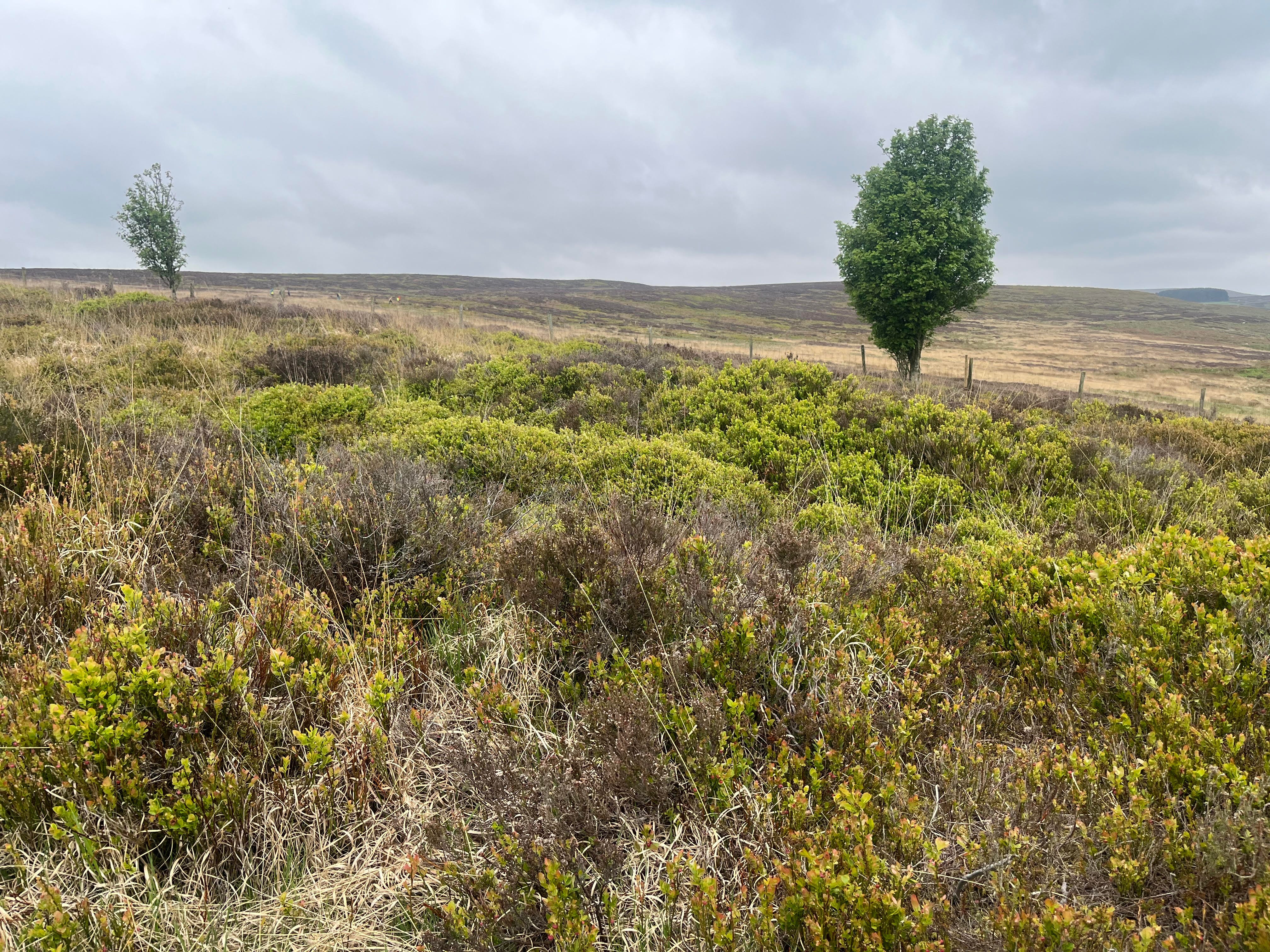
Then it was time to head on to the moors in the light rain (absolutely fine as long as there was a possibility of taking a walk that day3). While it was the era before crinolines, I still don’t know how the Brontës did all these long walks in their petticoats and stays. The landscape is stunning and, as Londoners, we went into raptures at the sight of so many sheep and their lambs. The ‘Brontë Waterfall’ is such a peaceful spot where they would work on their poetry (and get away from their brother, no doubt). It seemed a fitting pinnacle for our walk, so we didn’t go on to Top Withins (its link with Wuthering Heights is tenuous anyway) and took the circular route back. Neither of us are exactly athletic and I think we did really well.


On our return to town, we had about ten minutes to visit the church (which was rebuilt after the Brontës’ time) before it closed and view the Brontë memorials (they suggest that Patrick remains the most popular and influential member of the family among people who actually live in Haworth, which makes sense). The Black Bull was packed out with cosplaying servicemen and Rosie the Riveters (it didn’t seem especially nice either), so we Uber-d back to Hebden Bridge for drinks at the Albert before dinner and settling down with The Tenant of Wildfell Hall.
Manchester
A few days before we were due to leave, our schedule for Sunday was still open, and I suggested going to Manchester to visit the Elizabeth Gaskell House, what with her being another Victorian novelist we enjoy (Wives and Daughters is our favourite) and a good friend of Charlotte Brontë – luckily Sophie was up for it. Manchester Victoria is about 40 minutes from Hebden Bridge and the city seems really well served with trams, buses and cheap Uber fares.


We started at the Pankhurst Museum, which is based in the house where Emmeline and her children (including Christabel, Sylvia, and that black sheep Adela) downsized after she was widowed (although it’s still pretty big), which showcases the role that Manchester played in the foundation of the suffragette movement. As a visit doesn’t take long, we had time before our timed slot at the Gaskell House, so we went to the free Whitworth Art Gallery, which is where the University of Manchester’s collection is housed. It’s located within a park and really calm and spacious. If I lived in Manchester, it’s definitely a place I would visit regularly to clear my head.


The Elizabeth Gaskell House itself was an absolute gem. We had a guided tour from one of the knowledgeable volunteers, who gave us a real sense of Elizabeth’s sociable personality (in contrast to her Unitarian minister William’s more reserved character). It’s lovely how only the original objects known to have belonged to the Gaskells are behind glass and the rest can be handled. It’s meticulously restored middle-class Victorian residence (as our guide commented, while the Gaskells weren’t snobs, they were nothing if not middle class) where so many eminent people gathered (imagine being a fly on the wall when Gaskell and Charlotte Brontë were visiting, or Gaskell and Florence Nightingale).


The attention to detail is wonderful, from the scrap of original wallpaper that was matched with its original in a catalogue and recreated, to the bookshelves in William’s study being filled with copies of books he’s on record for having borrowed from (I think) the Manchester Philosophical and Literary Society. I also didn’t know that Gaskell’s daughters were also active in feminist and progressive causes and had music lessons from Charles Hallé and drawing instruction from John Ruskin in their youth. Oh, and one of the most precious artefacts of all is Elizabeth’s wedding veil (on loan from her descendants), as well as the passport she obtained when travelling with her daughters (passports weren’t necessary at that time, but it useful for women travelling without a man to be able to provide official documentation).
It’s very sweet how there’s a cat trail for younger visitors to follow, which isn’t just a cute gimmick as Gaskell was a true cat lover. That makes me like her even more. I think ‘Mr Thornton’ would be a great name for a handsome tuxedo or all-black cat and ‘Miss Matty’ for a motherly tabby.
We topped off our day in Manchester with an afternoon tea to celebrate my recent birthday at the Richmond Tea Rooms, which features an Alice in Wonderland theme. It was very friendly and relaxed (most people, like us, were dressed for comfort, phew). There were also several women enjoying afternoon tea solo, which was great to see. I’m not afraid to travel, go to the theatre or cinema, or eat out alone but I would feel self-conscious partaking in anything ‘fancy’.
Heptonstall and home
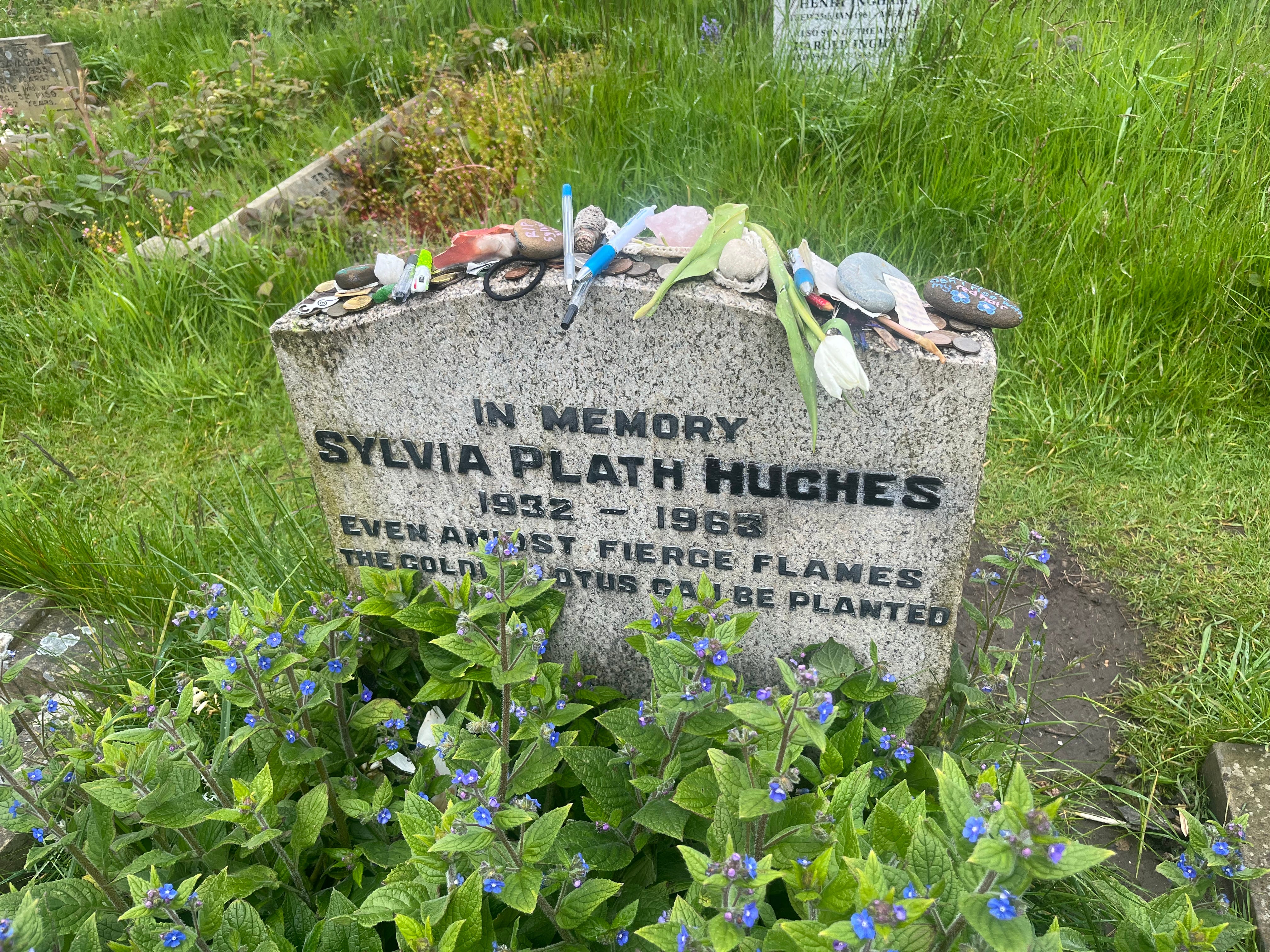
In The Excited Goat, where we had brunch on our last morning, the lady at the table next to us was doing a tarot card reading for her companion (classic Hebden Bridge). We then headed to the village of Heptonstall above Hebden Bridge on a tiny bus (I’m glad we didn’t try to walk uphill) to visit Sylvia Plath’s grave where she’s controversially buried in a place that she didn’t have much of a connection to as ‘Sylvia Plath Hughes’ (the ‘Hughes’ has clearly been touched up recently).4 I read ‘Mirror’ and left the pen that a lady carrying out a survey about signage on the Leeds to Hebden Bridge stretch on the journey up had given me (talk about unpoetic) as a tribute. Unlike in Haworth, the local businesses haven’t cashed in on the connection with the likes of the Bell Jar Inn or Ariel Coffee.


We had a look around the church with its unique kneelers and met our only cat of the trip (a very posh one) before we returned to Hebden Bridge and spent some time in The White Swan. Then we caught the train and were too tired to focus on Mary Barton (Sophie) and Wuthering Heights (me). Everything worked like clockwork, apart from the fact that King’s Cross underground station was closed, probably due to the crucial final Arsenal home game of the season (more on Arsenal coming soon... yes, really).
I’ve been riding a post-holiday high since returning, and we’re thinking about Edinburgh in the autumn and maybe a day trip to Chawton in the meantime (it’s been a while since either of us have visited). I have a stack of ephemera to collate in my scrapbook and new books to read5 (and Wuthering Heights to finish…). Charlotte, Emily and Anne Brontë, Elizabeth Gaskell, the Pankhursts (I should read Emmeline’s memoir), Sylvia Plath, Sally Wainwright, Ethel Carnie Holdsworth... how amazing to have had the chance to follow in their footsteps.
Are you a fan of these authors? Have you been to any of these places? What did you enjoy most?
Is Catherine Cawood middle class? My hunch would be yes, probably, but I don’t know if she’d identify as such?
According to this article, around 50% of people are known to cancel plans if there’s any chance of rain. I can’t help feeling a bit judge-y, especially as this is Britain. Heatwaves, however, are completely different.
It’s also the cemetery where Catherine’s daughter Becky is buried in Happy Valley.
I also bought Butter by Asuko Yuzuki and Rhine Journey by Ann Schlee (Daunt Books Publishing) in Hebden Bridge charity shops and found Greyladies editions of Clothes Pegs and Ten Way Street by Susan Scarlett (Noel Streatfeild) at the Gaskell House – I’ve read both on Kindle but I’m pleased to have ‘proper’ copies.
I am very jealous of this trip! Also: I love the BBC production of the Tenant of Wildfell Hall (though it's jarring if you watch the Toby Stephens version of Jane Eyre in quick succession...!)